

timmykershaw55
About timmykershaw55
The Evolution and Impact Of Private Aircraft Flights
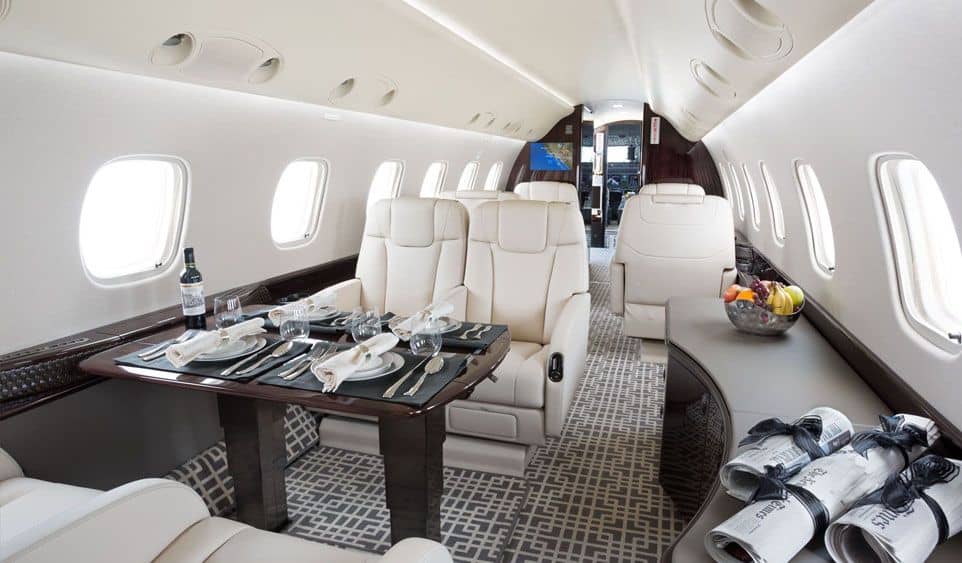
The world of aviation has undergone a big transformation over the past few decades, with private aircraft flights rising as a outstanding phase of the industry. Once a luxurious reserved for the elite, private aviation has advanced into a viable option for enterprise leaders, celebrities, and even households looking for convenience and effectivity in travel. This text delves into the evolution of private aircraft flights, their advantages, challenges, and the way forward for this dynamic sector.
Historical Context
The roots of private aviation might be traced again to the early twentieth century when the primary business aircraft began to take to the skies. Initially, aviation was a novelty, but as technology superior, so did the accessibility of flying. The submit-World Conflict II period marked a big turning point, as navy surplus aircraft turned out there to civilians, and the final aviation sector began to flourish. The introduction of gentle aircraft and the establishment of mounted-base operators (FBOs) made flying more accessible to a broader viewers.
By the 1960s and 1970s, the event of business jets like the Learjet and the Cessna Quotation revolutionized private flying. These aircraft were designed particularly for company travel, allowing corporations to transport executives efficiently. As the economy grew and globalization took hold, the demand for private flights surged, resulting in the establishment of fractional possession programs and jet card providers within the 1980s and 1990s.
Benefits of Private Aircraft Flights
One in every of the first advantages of private aircraft flights is the time financial savings they offer. Not like commercial airlines, which frequently require passengers to arrive hours prematurely and endure lengthy security lines, private flights allow travelers to arrive just minutes earlier than departure. This flexibility is especially useful for enterprise professionals who need to maximise their time and reduce downtime.
Furthermore, private aviation offers entry to hundreds of airports worldwide, including smaller regional airports that commercial airways do not serve. This functionality enables travelers to fly closer to their last locations, eliminating the necessity for prolonged floor transportation. As an illustration, a enterprise executive can fly on to a meeting in a remote location quite than navigating through a significant airport hub.
Consolation is another important advantage of private flights. Passengers have the freedom to customize their in-flight expertise, from choosing their catering options to selecting the cabin format. The ability to work, hold conferences, or relax in a private setting is a big draw for a lot of travelers. Moreover, the privacy afforded by private aircraft permits for confidential discussions and a extra personalised travel experience.
Environmental Considerations
Whereas private aircraft flights supply numerous benefits, they also increase important environmental issues. The aviation business is a significant contributor to greenhouse gas emissions, and private jets, specifically, have garnered criticism for their carbon footprints. In accordance to numerous studies, private jets emit significantly more CO2 per passenger than business airways.
In response to growing environmental consciousness, the private aviation sector is taking steps to mitigate its impact. Many companies are investing in more gas-efficient aircraft and exploring sustainable aviation fuels (SAFs) as a substitute to traditional jet fuel. SAFs are produced from renewable resources and may considerably cut back the carbon emissions related to flying. Moreover, some operators are implementing carbon offset programs, allowing passengers to spend money on environmental tasks to steadiness their travel emissions.
The Position of Technology
Technological developments have performed a crucial position in the evolution of private aircraft flights. The rise of digital platforms has made it simpler for travelers to e book private flights, examine costs, and entry a spread of companies. Corporations like JetSuite, Wheels Up, and VistaJet have revolutionized the booking course of, allowing customers to reserve flights at the press of a button.
Moreover, advancements in aircraft expertise have led to the development of more environment friendly and comfy jets. Improvements equivalent to fly-by-wire controls, advanced avionics, and improved aerodynamics have made private flying safer and more pleasurable. The emergence of electric and hybrid aircraft is also on the horizon, promising to further reduce the environmental affect of private aviation.
Challenges Dealing with the Business
Despite its many benefits, the private aviation sector faces several challenges. One of many most vital hurdles is the regulatory panorama. As private flights have change into more popular, governments have implemented stricter rules governing air travel. Compliance with these regulations might be advanced and expensive for operators, particularly smaller firms.
Moreover, the COVID-19 pandemic had a profound influence on the aviation business, together with private flights. While private aviation noticed a surge in demand during the pandemic as travelers sought to keep away from crowded airports, the long-time period effects of the pandemic on enterprise travel remain unsure. Companies are reevaluating their journey policies, and the future of company flying could see a shift towards a more hybrid method, combining in-individual meetings with digital alternate options.
The future of Private Aircraft Flights
Looking ahead, the way forward for private aircraft flights seems promising. As more individuals and companies acknowledge the value of time and convenience, the demand for private aviation is expected to continue growing. The rise of remote work and versatile business models can also contribute to increased journey as professionals seek to maintain connections with shoppers and colleagues.
Furthermore, the integration of recent technologies, similar to artificial intelligence and blockchain, may improve the effectivity and security of private flights. AI could streamline operations, optimize flight routes, and enhance customer service, while blockchain technology might improve transparency and security in transactions.
In conclusion, private aircraft flights have developed from a luxury for the few to a sensible answer for a lot of. With their time-saving benefits, consolation, and rising accessibility, private flights are likely to stay an important part of the aviation panorama. Because the business navigates environmental challenges and embraces technological advancements, the way forward for private aviation holds exciting potentialities for each travelers and operators alike.

No listing found.